

A pneumatic press set is a machine that uses compressed air to apply force for pressing, forming, or shaping materials.
It’s commonly used in industries such as automotive, manufacturing, and assembly for operations like stamping, punching, riveting, or clamping.
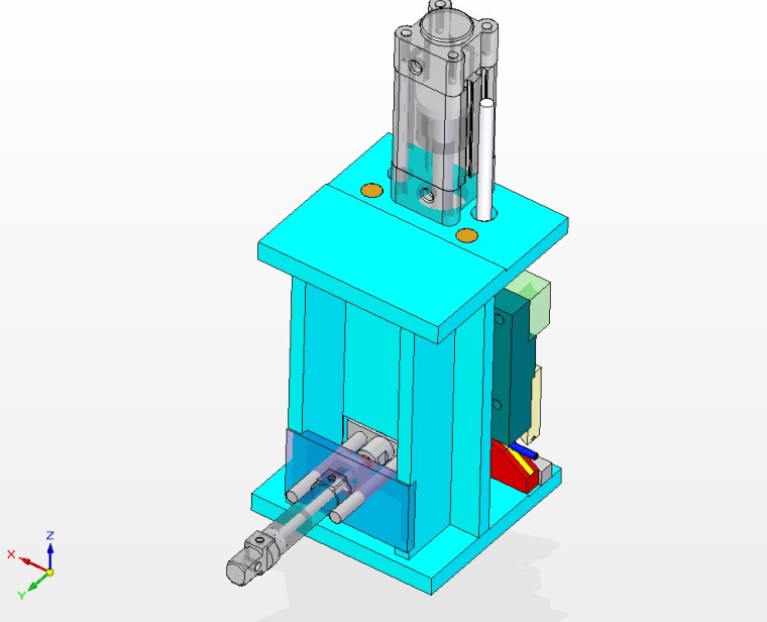
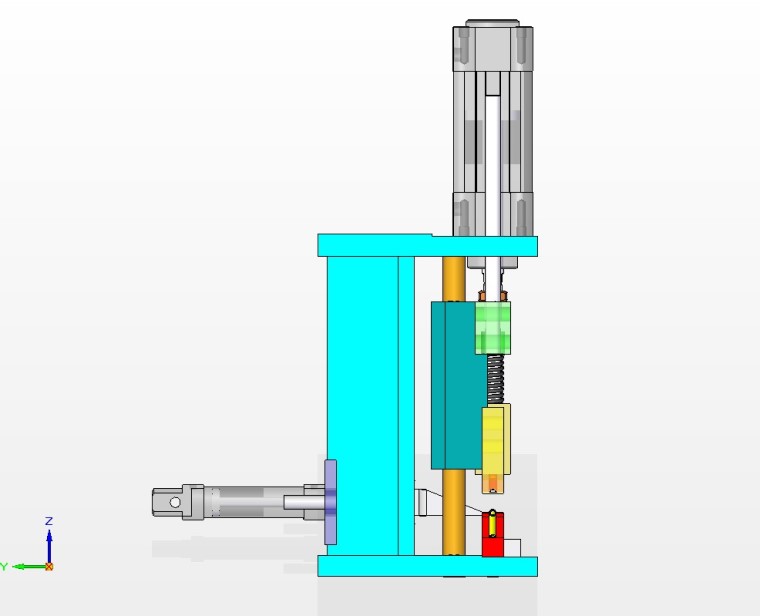
Air Compressor generates compressed air and delivers it to the pneumatic press.
Air Cylinder houses the piston that moves up and down to generate force.
Pressure Regulator controls the amount of air pressure going to the cylinder, adjusting the force of the press.
Valves control the direction of airflow, enabling forward and backward movement of the piston.
Control Panel allows the operator to control and adjust settings like pressure, speed, and cycle time.
The pneumatic press operates by converting the energy of compressed air into mechanical force and here’s a simplified explanation of how it works:
Pneumatic presses are used in various industries because they’re reliable, low-maintenance, and energy-efficient. Some common applications include:
• Assembly and Manufacturing: For tasks like pressing bearings, bushings, or assembling small parts.
• Metal Forming: Stamping, embossing, or punching metal sheets.
• Automotive: Used in assembly lines for parts installation or metalworking.
• Electronics: For crimping wires or joining small electronic components.
• Packaging: Pressing seals or clamping components in packaging operations.
