

Belt conveyors are essential machines used for transporting materials continuously over a certain distance.
They’re commonly found in industries like mining, manufacturing, food processing, and warehousing.
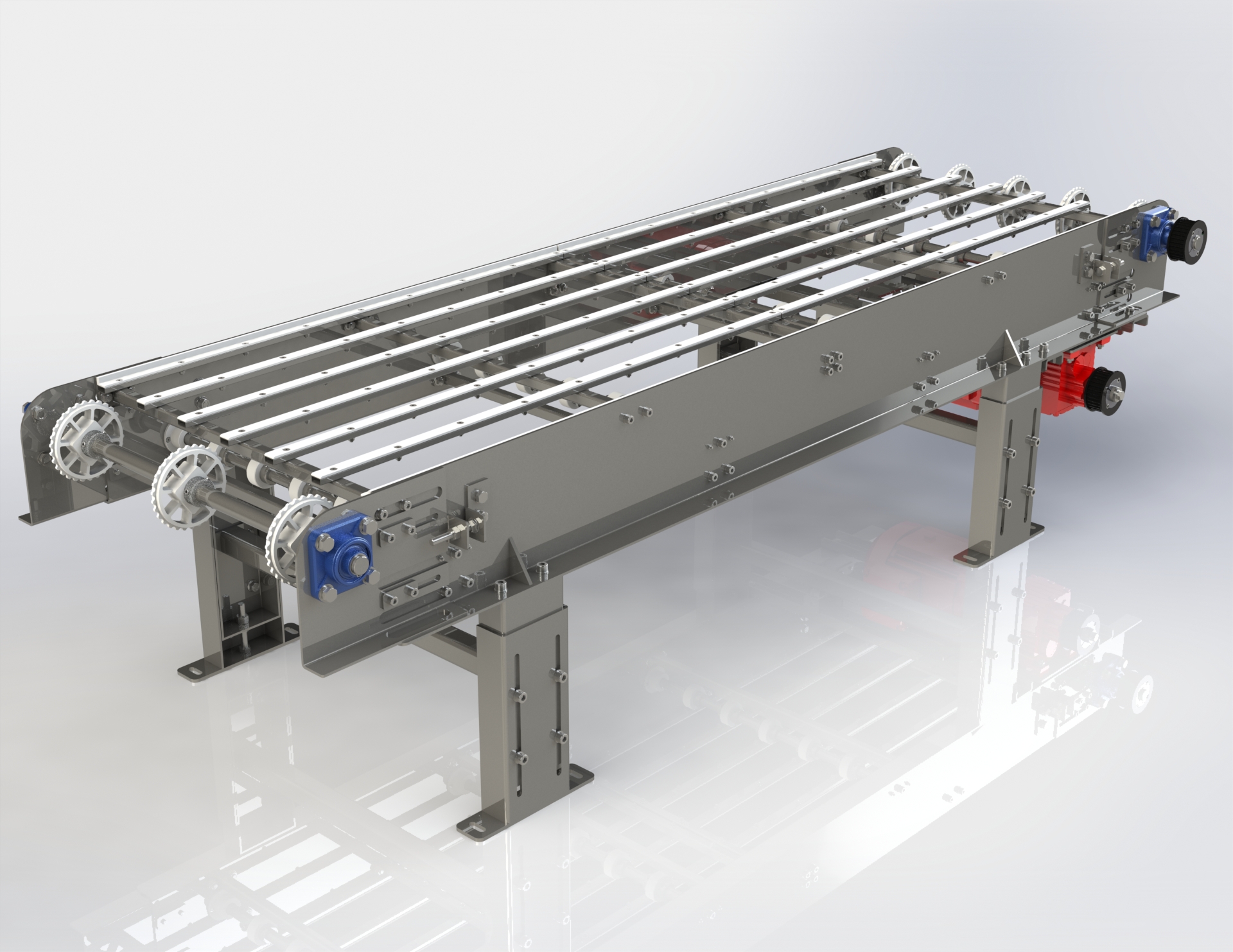
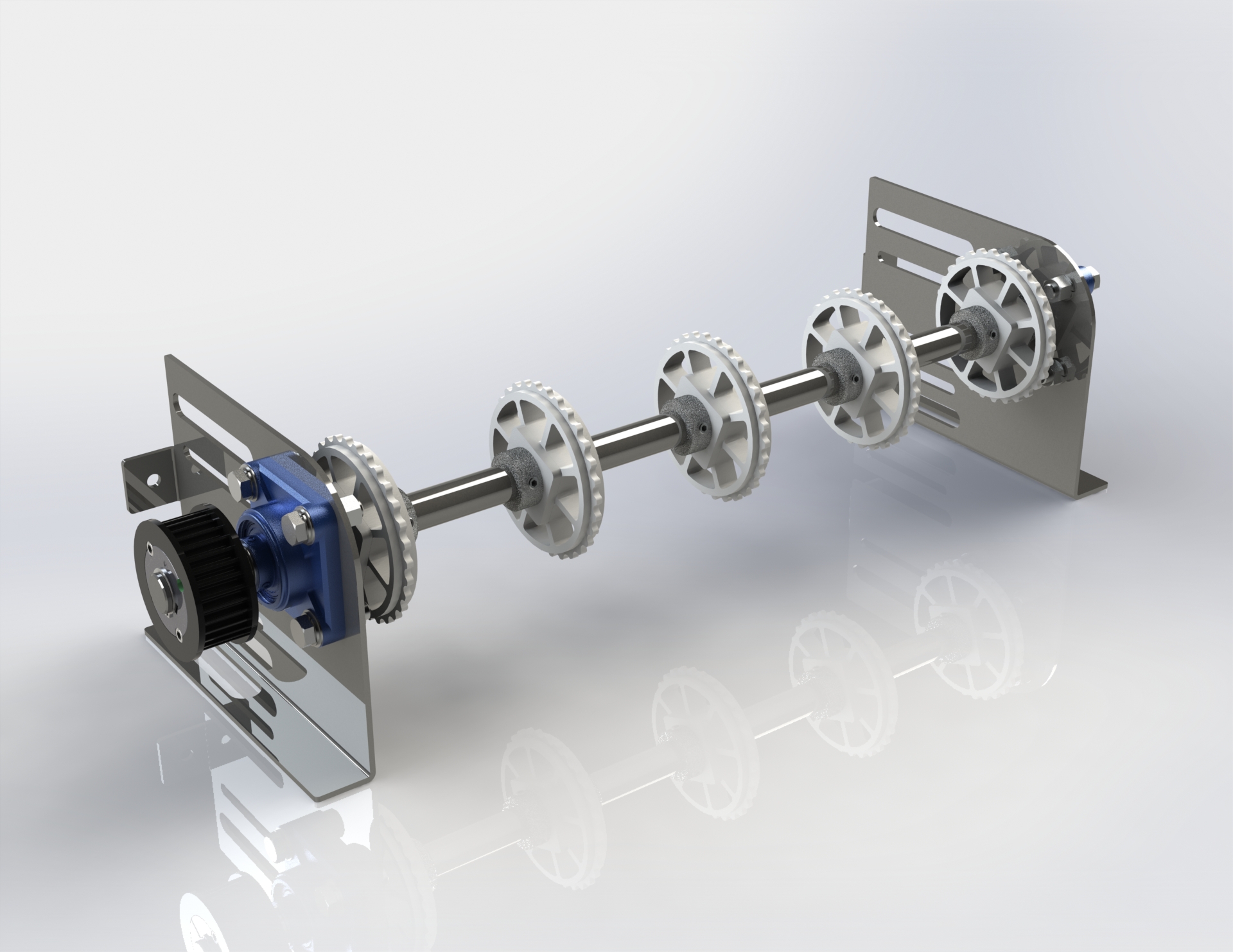
Belt is made of rubber, fabric, or metal. The choice of material depends on the weight, size, and type of materials being transported.
Drive Pulley transmits power to the belt, causing it to move. It’s usually coated to create friction and ensure effective belt movement.
Idlers art the rollers located between the pulleys to support the belt, keep it aligned, and reduce friction.
Tensioning Device maintains the right belt tension, preventing slippage and sagging.
Control System includes start/stop buttons, speed controls, and emergency stops for safe operation.
Belt conveyors work by moving a continuous loop of material (the belt) across a series of rollers or pulleys:
Belt conveyors are used in many industries due to their efficiency in moving bulk and heavy materials over long distances:
• Mining and Quarrying: Transporting ore, coal, rocks, and other bulk materials.
• Manufacturing: Moving parts, components, or assemblies between workstations.
• Food Processing: Conveying raw or processed food, often with food-grade belts and easy-clean designs.
• Logistics and Warehousing: Moving packages, boxes, or pallets in distribution centers.
• Agriculture: Transporting grains, seeds, and other materials.
• Recycling: Sorting and conveying recyclable materials.
